

The Challenge
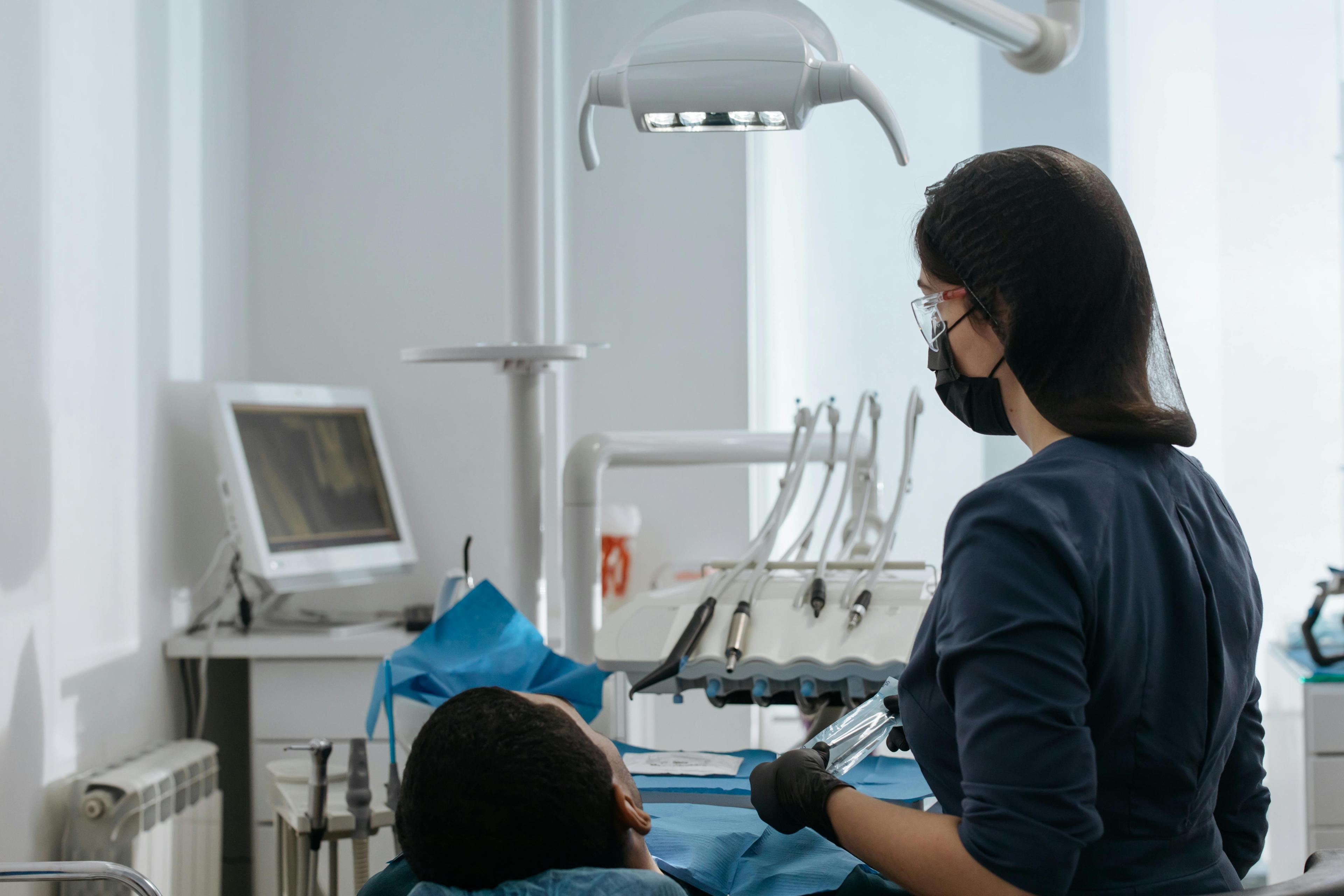
Serenity Dental runs a busy multi-hygienist practice where a full schedule isn't just good for revenue — it's the difference between a productive day and chairs sitting empty. Like most dental practices, their appointment flow depended entirely on their front desk: a small team managing phones, check-ins, insurance queries, and recall reminders all at once. When call volume spiked, something always gave — and it was almost always the phone.
Patients calling to book, reschedule, or confirm appointments during busy hours were regularly hitting hold or voicemail. New patient inquiries were going unanswered while the team handled in-clinic patients. And reminder calls were difficult to complete consistently during peak clinical hours. The practice needed a reliable communication layer that worked continuously.
Operational Objectives
Before deploying conversational AI, the practice team outlined clear operational goals. The priority was building a patient communication system that could run reliably in the background while the clinical team focused entirely on patient care.
Always-On Patient Care
Modern healthcare practices receive a mix of call types—scheduling, refills, directions, and after-hours emergencies. Handling each consistently is critical to patient satisfaction and smooth clinic operations.
Workflow Improvements That Made the Difference
Implementing Chatley allowed Serenity to standardize how patient communication was handled across every touchpoint — not just inbound calls.
Key Best Practices:
Operational Impact
Beyond automated scheduling, the operational shift inside the clinic was immediate. The front desk team — previously stretched thin across phones, check-ins, and administrative tasks — can focus primarily on patients in the clinic.
Patient inquiries outside regular clinic hours are answered without queue delays, securing appointment requests that would otherwise be missed.